How Often Should You Schedule a Roof Inspection?
Most homeowners do not think about their roof until a leak appears. By then, what could have been a simple fix often turns into a costly repair. A routine inspection, done at the right intervals, catches small issues before they grow. So how often should a residential roof actually be inspected?
The straightforward answer is twice a year: once in the spring and once in the fall. This timing lets you assess damage from winter storms and prepare for the heavy rains or heat of summer. For homes in areas prone to severe weather, such as Northern Florida, an inspection after any major storm is also wise. A professional inspection gives you a clear picture of your roof’s condition, so you can plan for repairs or replacements before an emergency arises.
Why Regular Inspections Matter
A roof does more than keep rain out. It protects the entire structure of your home. Over time, sun, wind, rain, and debris wear down even the best materials. Small problems like a cracked sealant or a loose shingle can let water seep into the decking, insulation, and eventually the interior of your house. Regular inspections help you spot these issues early. They also extend the life of your roof, which is one of the most expensive parts of a home to replace.
In regions with high humidity and frequent storms, the risks are greater. Moss growth and algae staining can trap moisture against the roof surface, speeding up deterioration. Blocked valleys and gutter debris can cause water to pool, adding weight and stress to the structure. A professional knows where to look for these problems. They can also check for loose flashing around chimneys, vents, and skylights, which are common leak points.
What a Thorough Inspection Covers
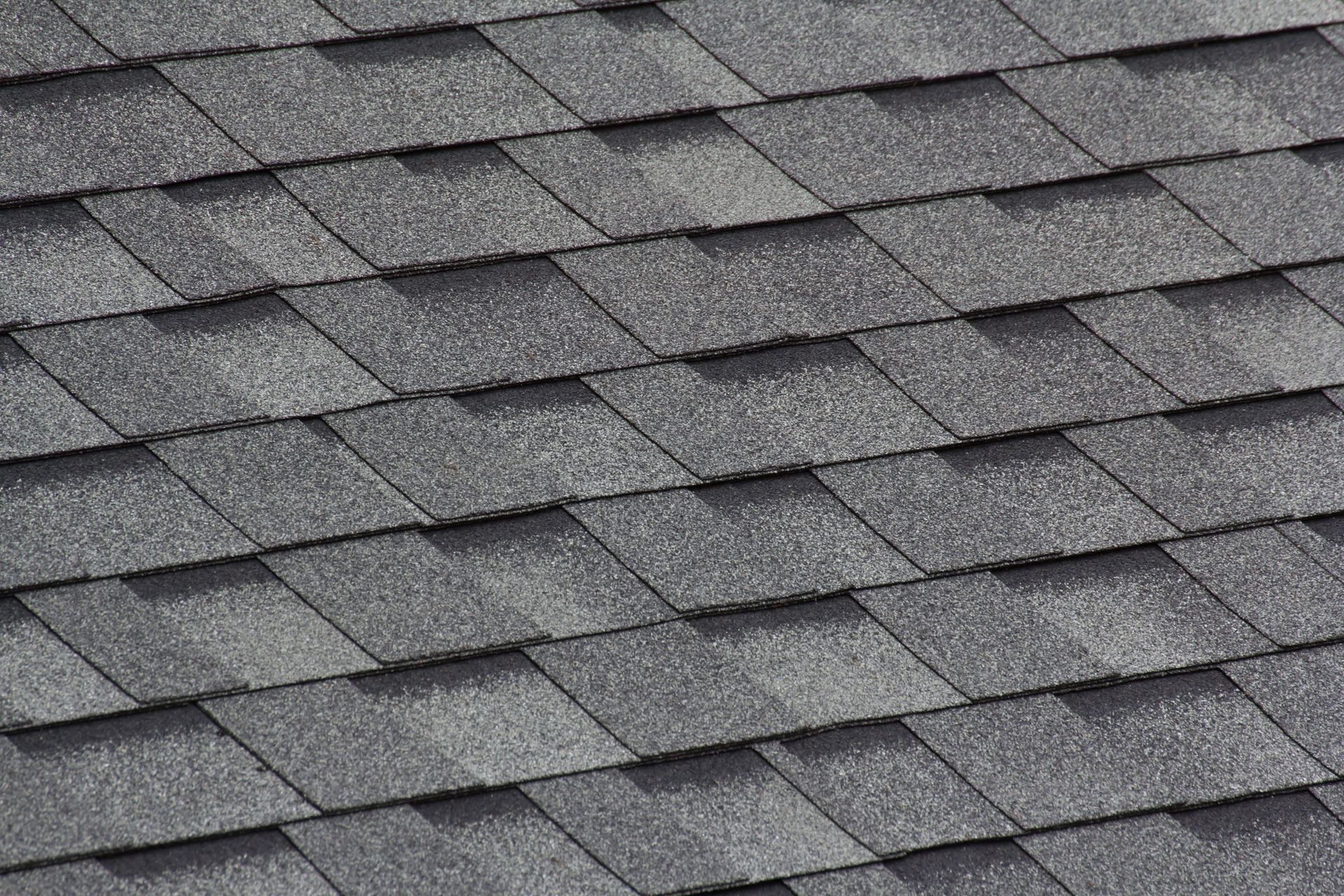
When you hire a roofing contractor for an inspection, they typically start with a visual check from the ground and from the roof itself. They look for missing, curled, or broken shingles, tiles, or shakes. They examine the flashing for gaps or rust. They clear any debris from valleys and gutters to ensure proper roof drainage. They also check for signs of moss or algae, which can indicate persistent moisture and poor ventilation.
Inside the attic, they look for water stains, mold, or daylight coming through the roof deck. They also inspect the insulation and vents for signs of moisture. A good inspection includes a check of the sealant around all roof penetrations, such as vents, pipes, and skylights. These small seals can dry out and crack over time, creating a path for water.
The Role of Roof Maintenance
Regular inspections are just one part of a smart approach to roof care. The other part is consistent roof maintenance. This means keeping gutters and downspouts clean, trimming overhanging branches, and removing debris after storms. It also means addressing small repairs quickly, such as replacing a cracked shingle or resealing a flashing joint. When you combine inspections with regular maintenance, you get the most value from your roof investment.
For example, if an inspector finds a small area of moss growth, you can treat it with a mild cleaning solution and trim back the tree branches that are shading the roof. That simple action prevents the moss from lifting shingles and creating a leak. Without the inspection, you might not even know the moss was there until water started coming through the ceiling.
Signs You May Need an Inspection Sooner
Even if you follow a twice-a-year schedule, some situations call for an extra inspection. After a hurricane, a hailstorm, or a windstorm with gusts over 60 mph, it is smart to have a professional look at your roof. High winds can lift shingles, loosen flashing, or drive debris into the roofing material. Hail can dent or crack asphalt shingles and metal panels. Heavy rain can expose weak spots in the roof drainage system.
Other warning signs include:
- Water stains on interior ceilings or walls
- Granules from asphalt shingles in the gutters
- Visible sagging or dips in the roofline
- Daylight visible through the roof boards in the attic
- Unexplained increases in energy bills (which can mean poor attic ventilation or insulation damage from moisture)
If you notice any of these, do not wait for the next scheduled inspection. Call a roofing contractor to assess the situation as soon as possible. Delaying can turn a minor repair into a major replacement.
Who Should Perform the Inspection
You can do a basic ground-level check yourself. Look for obvious damage like missing shingles, debris in gutters, or staining on exterior walls. But a full inspection is best left to a professional. A trained roofer knows how to walk on different roofing materials without causing damage. They have the right safety equipment and know what subtle signs of trouble look like. They also understand local building codes and climate factors that affect roof performance.
For homeowners in Northern Florida, where storms and high humidity are common, a professional inspection is especially valuable. A contractor who works in that area will recognize the specific patterns of wear caused by the local weather. They can also advise on the best materials and techniques for repairs or replacements.
READY ROOFING, LLC is also on Pinterest.
How to Choose a Roofing Contractor
When you need an inspection or repair, look for a licensed and insured roofing company with experience in residential work. Ask about their inspection process. A thorough inspector will not just walk the roof and give a quick opinion. They will check all the critical areas, take photos if needed, and provide a written report with clear recommendations.
You can also ask for references or look at recent work in your neighborhood. A reputable contractor will be happy to share examples of past inspections and repairs. They should also be willing to explain what they found and what they recommend, in plain language.
One company that provides these services across Northern Florida is READY ROOFING, LLC, located at 5105 Philips Hwy Ste 205, Jacksonville, FL 32207, USA. They offer residential and commercial roof repairs, replacements, inspections, and storm damage restoration. You can reach them at +1 904-404-9849.
Making Inspections Part of Your Routine
The best way to protect your home is to treat roof inspections like other seasonal tasks, such as changing the batteries in your smoke detectors or servicing your HVAC system. Put them on your calendar for the same weeks each year. After a big storm, add an extra check. And if you ever see a sign of trouble, call a professional right away.

Remember that inspections are not expensive compared to the cost of a roof replacement. Most contractors charge a flat fee for an inspection, and some apply that fee toward the cost of any repair work you schedule. It is a small investment for peace of mind and long-term savings.
By staying consistent with inspections and keeping up with roof maintenance, you can avoid surprise leaks, extend the life of your roof, and keep your home dry and secure through every season.